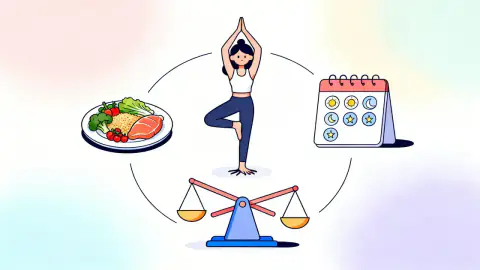
Time Management Tips for Achieving Better Life Balance

Have you ever wished for extra hours in your day? In our busy world, time feels like a scarce and precious resource. Balancing work, personal goals, and relationships often seems impossible. Yet, it is not only possible, but within your reach—by taking intentional steps to manage your time and energy wisely.
Time management isn’t simply about rigid routines or crossing more things off a never-ending list. True balance is about living with purpose and clarity, so your days can be filled with more of what truly matters. Let this article inspire you to take meaningful action and experience a more harmonious, fulfilling life through practical time management strategies.
The Value of Balance in the Fast-Paced Modern Life
Modern life constantly demands our attention—into our inbox, on our phones, at work, and at home. Juggling so much can stir a sense of chaos and uncertainty, making it all too easy to lose track of priorities or feel like you are just racing from one task to the next.
Many people believe that busyness equals accomplishment. However, balance and productivity are not the same. You can be busy every minute and still feel unfulfilled or burnt out. Lasting happiness and health come from aligning your choices with your core values, and managing your time is a crucial part of that journey.
Tip 1: Clarify Your Priorities—And Let Them Guide You
Before you can manage your time more effectively, start by clarifying what truly matters to you. Take a moment to list your top values and goals. Is it quality time with your family, personal growth, career development, or simply more time to rest?
Once you have your priorities set, use them to guide decisions about where you focus your time and energy. Here’s a powerful strategy:
- Each morning or evening, write the three most important things you want to accomplish the next day.
- Keep these visible throughout your day and remind yourself to focus first on what matters most.
- Say “no” to tasks, events, or requests that distract you from your true priorities, when possible.
Let your values infuse your calendar—not the other way around. When you live and work from a place of purpose, you gain both efficiency and satisfaction.
Tip 2: Break Down and Batch Tasks
It is easy to fall into the trap of multitasking and shifting endlessly between assignments. In reality, this often fragments your focus, increases mistakes, and leaves you feeling overwhelmed.
Instead, break large projects into smaller, actionable steps and batch similar tasks together. For example, designate specific times for answering emails, making phone calls, or doing focused work. You might try the following:
- Set 30- or 60-minute “blocks” for concentrated work on just one task.
- Batch similar chores for efficiency—pay bills, clean, or shop for groceries all at once, rather than piecemeal.
- Allow short breaks between focused work blocks to reset your mind and reduce fatigue.
By creating clear beginnings and endings for tasks, your work will feel more manageable, and you’ll have more energy for what matters most.
Tip 3: Set Boundaries—And Protect Your Personal Time
Boundaries are essential for healthy balance. Without them, your time and attention will constantly be claimed by outside demands or requests. It’s okay—important, even—to say “no” and to protect blocks of time for yourself, your loved ones, or your passions.
Start by identifying the areas in your life where boundaries feel blurred or neglected. Is it work sneaking into your evenings? Social obligations that leave you drained? Technology consuming more leisure than you realize?
Here are some ideas for setting and communicating boundaries:
- Establish a designated “shutdown” time for work every day, after which you focus on rest or activities you enjoy.
- Let family or colleagues know when you are unavailable—and honor these commitments to yourself.
- Designate device-free hours or spaces in your home to encourage more meaningful connections and relaxation.
By setting proactive boundaries, you send yourself and others a powerful signal: Your well-being and time matter.
Tip 4: Reflect, Adjust, and Celebrate Progress
Time management is an evolving practice, not a one-time accomplishment. It pays to regularly assess how your current habits align with your values and goals. Weekly or even daily reflection can help you identify what’s working, what isn’t, and what needs to change.
Ask yourself questions such as:
- Which activities give me the most energy and satisfaction?
- Where am I losing time to distractions or less meaningful tasks?
- What could I delegate or let go of to create more space for my priorities?
Most importantly, celebrate your successes—big or small. Every step toward better balance is an achievement worth acknowledging. Positive reinforcement will keep you motivated for the long run.
Building a Strong Foundation for Balanced Living
Adopting new time management practices can feel challenging at first. Remember, real change begins with a single step and consistent, small improvements over time.
You might find it helpful to track your time for a week, simply observing where your hours go. This honest reflection can reveal surprising patterns and opportunities for change. Don’t be afraid to experiment. Time management is personal: What works for someone else may not work for you. Adjust until you find your own rhythm.
| Challenge | Action | Outcome |
|---|---|---|
| Constant interruptions at work | Use time blocks and disable notifications | Longer periods of deep focus, less stress |
| Never enough time for self-care | Schedule self-care as a fixed appointment | Improved energy, mood, and resilience |
| Overcommitted social life | Prioritize meaningful connections, say “no” more | Deeper relationships, more free time |
If you ever feel discouraged, remember that balance is not an end state, but an ongoing process. With each conscious choice you make, you move closer to the life you want.
You deserve a life with more calm, joy, and fulfillment. Start today—one intentional change at a time—and watch how even the smallest adjustments can lead to a profound sense of balance and well-being.