Beginner Guide to Stress Management at Work

Stress at work is a nearly universal experience, affecting people at every career stage and across every industry. But while workplace stress can seem overwhelming, there are practical, powerful steps anyone can take, even at the very beginning of their journey.
If you find yourself feeling anxious before meetings or dreading Monday mornings, know that you are not alone. The key to transforming stress at work is understanding its roots, developing healthy habits, and confidently adopting strategies that support your well-being and resilience.
Why Workplace Stress Is a Serious Matter
Too often, people underestimate the impact of prolonged job-related pressure, seeing it as simply part of modern working life. But when stress builds up, it can impact not only your productivity, but also your physical health, your mood, and your relationships.
Common symptoms of excessive workplace stress include difficulty concentrating, irritability, fatigue, muscle tension, stomach problems, and even recurring headaches. Over time, chronic stress can lead to more severe problems such as burnout, depression or anxiety, and even heart disease.
Recognizing the importance of managing stress right from the start is not just about your career—it’s about your overall quality of life.
Identifying Stress Triggers: Awareness Is the First Step
Before you can effectively manage stress, it’s crucial to identify what situations or patterns create tension for you at work. These stressors could be external, like tight deadlines, a heavy workload, or workplace conflict, or internal, such as perfectionism or fear of failure.
A helpful starting point is to take a few minutes each day to reflect and even jot down:
- Moments when you felt stressed or overwhelmed
- What was happening or who was involved
- How your body and mind responded
Tracking your stress triggers is empowering because once you see where your stress begins, you can start to shape your response and make real change.
Simple, Effective Techniques to Manage Stress at Work
Stress management doesn’t need to be complicated. Some of the most effective techniques are simple, straightforward, and accessible—even in a busy office. Here’s how to start:
- Practice mindful breathing regularly—just a couple of slow, deep breaths can calm your nervous system. If you can, close your eyes for a moment, inhale through your nose, and exhale through your mouth.
- Take micro-breaks every hour. Stand up, stretch, or walk to get water. Give your body and mind a brief reset.
- Prioritize and delegate tasks. Make a to-do list and focus on high-impact tasks first. Don’t be afraid to ask for help or delegate when appropriate.
- Keep your workspace organized. A tidy desk can help create a sense of control and reduce anxiety.
- Stay hydrated and eat nutritious snacks. Your brain and body function better when you are nourished and refreshed.
While these actions seem simple, consistency turns small changes into lasting habits that will support you throughout your career.
Creating Healthy Boundaries for Work-Life Balance
One of the key challenges for modern professionals is the blurring line between work and home life. With remote work and digital connectivity, work can follow us everywhere—even into our evenings and weekends.
Setting boundaries is an act of self-care and professionalism. It might mean turning off email notifications after hours, taking your full lunch break away from your desk, or saying no to another meeting when your schedule is already full.
Strong boundaries not only preserve your energy and well-being, but also teach others to respect your limits.
Building a Support System at Work
No one should have to manage stress alone. Developing a support network—whether it’s colleagues you trust, a mentor, or HR resources—can make a world of difference.
Try to nurture relationships at work by showing empathy, offering help, and communicating openly when you need support. Having a supportive community around you bolsters your resilience and reminds you that you’re not alone in facing challenges.
When to Seek Extra Help
Sometimes, stress becomes unmanageable, and it’s absolutely okay to seek help. If you find your stress is leading to emotional or physical problems, or if you feel unable to cope despite your best efforts, reach out to a professional counselor, therapist, or your company’s employee assistance program.
Asking for help is a mark of strength, not weakness. It shows that you value your health and are committed to building a better future for yourself.
Cultivating Resilience: Your Path to Thriving at Work
Learning to manage stress isn’t just about surviving the workday—it’s about building resilience, courage, and emotional intelligence. Over time, these skills will serve you in every aspect of life.
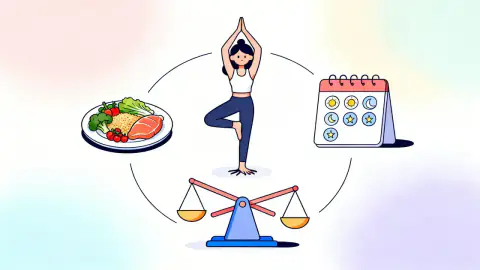
Resilience grows when you invite balance, practice gratitude for small wins, and reflect on what’s within your control. Celebrate your progress, no matter how small, and remember: every step toward managing stress is a victory.
Summary Table: Quick Guide to Daily Stress Management
Here’s a snapshot of daily stress management strategies for beginners:
| Strategy | How to Apply | Why It Helps |
|---|---|---|
| Mindful Breathing | Take 2 minutes to breathe deeply twice a day | Reduces anxiety, grounds you |
| Regular Breaks | Micro-breaks every hour | Prevents burnout, boosts energy |
| Healthy Boundaries | Turn off emails after work | Improves work-life balance |
| Support System | Connect with a trusted colleague | Offers guidance and encouragement |
Find Strength in the Journey
Remember, managing stress is an ongoing process, not a one-time fix. By starting small, tracking your progress, and prioritizing your health, you’re laying the foundation for a happier, healthier, and more fulfilling work life.
No matter where you begin, every step you take toward understanding and managing your stress empowers not only your career but every area of your life.