Time Management at Work: Smart Habits to Stay Productive

Starting a new job or entering the workforce can feel overwhelming. Your to-do list grows faster than you can check tasks off, meetings pop up unexpectedly, and the day ends before you realize it. If you’re feeling constantly racing against the clock at work, know this—you aren’t alone.
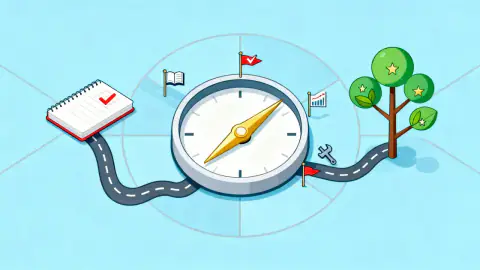
The great news is that time management is a skill anyone can learn. With the right mindset and actionable habits, you can build a foundation that makes your workday smoother, more productive, and—most importantly—less stressful. This beginner’s guide to time management at work is your roadmap towards not just managing your time, but actually mastering it.
Why Does Time Management Matter?
At its core, time management is about valuing yourself. By organizing tasks, prioritizing effectively, and establishing healthy boundaries, you enable yourself to produce great results while still protecting your energy and wellbeing.
Effective time management doesn’t just benefit your employer—it gives you more peace of mind, higher job satisfaction, and much-needed space in your day for creativity or growth. It builds confidence when you realize you are in control of your own productivity.
Identifying Your Biggest Time Wasters
The key to making progress is first realizing where your time goes. Common challenges beginners face include:
- Jumping between tasks without finishing any.
- Unplanned meetings consuming the workday.
- Notifications distracting your concentration.
- Not knowing how to say “no.”
Being aware of these patterns is the first step. For one week, keep a detailed log of how you spend each hour at work. This can be eye-opening—most people underestimate just how much time goes to minor distractions or unimportant requests.
Setting Meaningful Goals, Not Just Completing Tasks
If you focus only on finishing tasks as they come, you risk filling your time with low-priority work. Instead, begin with a clear sense of what truly matters.
Define your “big rocks”—the major priorities that add the most value to your role or your team. Each morning, write down your top three must-accomplish goals for the day. Use these as a compass whenever interruptions tempt you away from your plan.
Prioritization: The Secret Weapon
Learning to see the difference between “urgent” and “important” work can transform your effectiveness.
Many successful professionals use a simple prioritization system. Here’s a common method:
| Category | Examples | Action |
|---|---|---|
| Urgent & Important | Deadlines, client emergencies | Do these first |
| Important, Not Urgent | Planning, skill development | Plan for these daily |
| Urgent, Not Important | Interruptions, minor requests | Delegate or schedule |
| Not Urgent & Not Important | Social media, idle browsing | Avoid or eliminate |
Revisit your priorities frequently. As you practice, your ability to distinguish what deserves your energy will get sharper—and your results will reflect that.
Harnessing Tools and Routines for Consistency
Tools and apps won’t manage your time for you, but they can make it easier to stick with healthy habits. Consider:
- Using a digital calendar to time-block your crucial tasks.
- Having a daily checklist or to-do app for visibility.
- Setting recurring reminders to review priorities.
Equally important is developing a predictable flow to your mornings and afternoons. Many beginners underestimate the power of a consistent routine to anchor focus. Start each day reviewing your major goals, and end each day with a brief reflection—what went well, what could be improved, and what needs attention tomorrow.
Overcoming Distractions and Setting Boundaries
Distractions are inevitable, but their impact can be managed.
Try strategies such as:
- Turning off non-essential notifications during focused work times.
- Politely blocking time for deep work—announce it on your calendar or to colleagues.
- Having honest conversations about workloads and saying “no” to unnecessary meetings or requests.
Setting boundaries as a beginner might feel uncomfortable, but it pays off. You’ll be surprised how much more respected and productive you feel when you protect your time just as you would any other valuable asset.
Progress, Not Perfection: Measuring and Celebrating Success
Growth in time management is measured in small, consistent improvements—not overnight perfection. Take a few minutes each week to review:
- What time management strategies worked well?
- Where was time lost to distractions or lower-value activities?
- Which completed tasks or avoided pitfalls made you most proud?
Even celebrating small wins keeps you motivated. Over time, these incremental successes build a powerful sense of personal agency and professional confidence.
Moving Forward: Building a Foundation for Your Future
Developing effective time management as a beginner at work is not just about cramming more into your day. It’s about aligning your actions with your values, gaining control over your schedule, and creating a workspace where you can thrive—not just survive.
Start today by choosing one strategy, and focus on consistency rather than immediate transformation. As you master your time, you’ll discover more room for creativity, opportunities, and satisfaction both in your work and beyond.
Remember, you have the ability to shape your day—and, over time, your entire career. Every minute you consciously invest in improving your time management is a step toward a less stressful, more fulfilling professional life. Take that step now, and turn your work hours into the building blocks of success.