
Career Planning Basics: Your Guide to a Successful Future
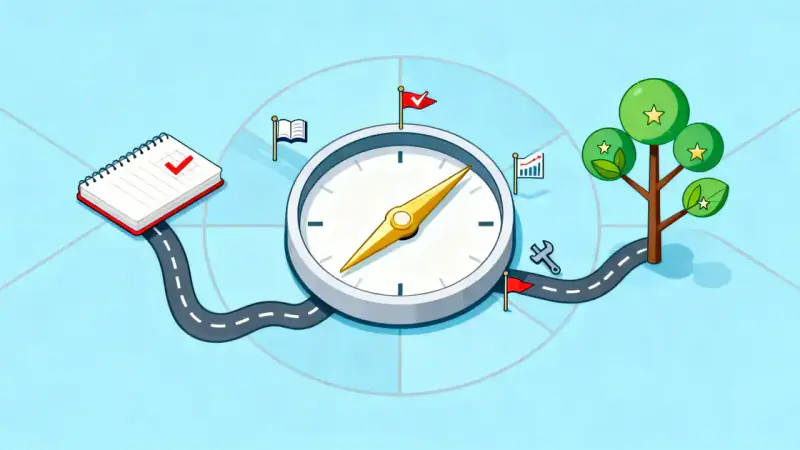
Every journey, no matter how ambitious or seemingly modest, starts with a single step. For those stepping into the world of work for the first time, the idea of planning an entire career might feel daunting.
But understanding the fundamentals of career planning is not only achievable—it is empowering. By building a solid foundation, you equip yourself to navigate the ever-evolving professional landscape with confidence and clarity.
Whether you are a student, a recent graduate, or someone transitioning to a new field, career planning will be your compass. It guides you through self-discovery, goal setting, and the cultivation of essential skills, turning uncertainty into a roadmap toward personal satisfaction and professional success.
Why Career Planning Matters
Many people find themselves in jobs they never imagined, following paths dictated by circumstance instead of intention. The act of career planning is about reclaiming control over your destiny. It is an intentional process of evaluating who you are, what you value, and how you want to make your mark on the world.
Taking charge of your professional development means you are less likely to feel stuck, overlooked, or unsatisfied. Instead, you become proactive, cultivating resilience and adaptability in an uncertain world. Good career planning can mean the difference between drifting aimlessly and crafting a future that excites you.
Step One: Self-Assessment and Discovery
Before you can plan your future, you must first understand yourself. This process includes probing your natural talents, interests, values, and aspirations.
Ask yourself questions such as:
- What subjects or activities energize and engage me?
- What are my core values, and which environments align with them?
- Which skills come naturally to me, and which ones do I enjoy using most?
- What does success look and feel like to me?
Self-assessment tools can be helpful here, but honest reflection and conversations with trusted mentors or friends are equally valuable. Gaining clarity about your authentic self is a crucial first step—this is your unique map in the world of work.
Goal Setting: Dreaming Big, Acting Smart
Once you’ve begun to understand your strengths and ambitions, it’s time to transform dreams into actionable goals. Effective goals for career planning are both inspirational and practical—they stretch you just beyond your comfort zone but remain achievable with effort.
Use the SMART criteria: Specific, Measurable, Achievable, Relevant, and Time-bound. For instance, rather than stating, “I want to have a great job,” you might say, “Within six months of graduation, I want to secure an entry-level marketing position at a company known for innovation.”
Set both short-term milestones and long-term aspirations to maintain momentum and direction. Celebrate small victories and re-evaluate your goals regularly. This adaptability is vital, as your interests and opportunities may evolve.
Exploring Possibilities and Making Informed Choices
There are countless careers in the world, many of which you might not have heard of yet. Exploration is both exciting and essential. Research industries, companies, and roles that align with your interests and values. Seek out biographies or stories of professionals who inspire you.
Internships, job shadowing, voluntary work, or even informational interviews can offer valuable hands-on experience. These opportunities help illuminate the realities of various paths and allow you to test your assumptions before committing.
Keep a notebook or digital file where you can jot down insights, contacts, and ideas as you learn more. Your path is unique, and the more informed your decisions, the smoother your journey will be.
Building Skills: Your Professional Toolbox
Once you’ve identified potential paths, evaluate the skills required. A strong foundation in both technical and soft skills is indispensable. Essential abilities may include communication, problem-solving, teamwork, adaptability, and continuous learning.
Consider building your skills through:
- Formal education and certification programs
- Online courses or workshops
- Participating in clubs, organizations, or side projects
- Networking events and mentorships
Remember, every new experience builds your skill set. Both successes and setbacks teach you more than you realize in the moment.
Crafting Your Action Plan
Career planning is only meaningful when paired with intentional action. Develop a written action plan that outlines your goals, skill gaps, and steps to achieve your aspirations. A visual table can be helpful for organizing your journey:
| Goal | Skills Needed | Action Steps | Timeline |
|---|---|---|---|
| Secure a summer internship | Resume writing, networking | Attend job fairs, reach out to professionals | By May 1st |
| Improve public speaking | Presentation, confidence | Join a speaking club, practice | Ongoing, review monthly |
Check in with your plan regularly. Adjust as you progress and as circumstances change. Flexibility and consistent effort are key ingredients in turning plans into reality.
Overcoming Obstacles and Finding Inspiration
The road to a dream career rarely unfolds in a straight line. You’ll encounter obstacles—rejections, setbacks, self-doubt. What distinguishes successful people is not a lack of failure, but the courage to persist and adapt.
Surround yourself with positivity: mentors who believe in you, peers who challenge and support you, and reminders of why you started this journey. When you lose motivation, revisit your self-assessment and realign with your passions.
Above all, remember that career planning is not a one-time decision. It’s a continuous process of growth, discovery, and adaptation.
Embracing the Start of Your Journey
At its heart, career planning is about forging a life of purpose and fulfillment. Each step you take — from self-discovery to action — is an investment in the future you desire. It may seem overwhelming now, but with curiosity, courage, and commitment, you will find your path.
Start today. Begin with honest reflection, set your sights on where you wish to go, and take that first bold step. Your unique talents have a place in this world. The journey might not always be easy, but it will undoubtedly be worth it. This is the start of your extraordinary career story.