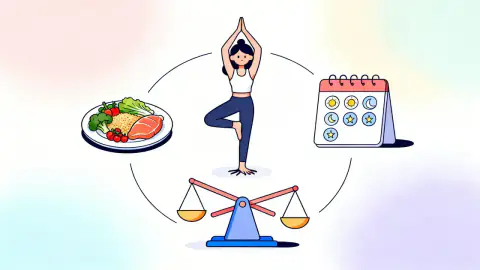
How to Set Boundaries Between Work and Home: Achieve Harmony

Modern life’s demands have gradually erased the once distinct line between professional and personal time. For many, especially those working from home or with flexible schedules, the workday creeps late into evenings and seeps into weekends. The result? Growing exhaustion, strained relationships, and a sense that neither area of life is getting your best.
The journey toward a healthier work-home balance begins with acknowledging your needs and daring to prioritize them. Creating boundaries is not selfish—it’s self-care. It empowers you to show up fully for both work and life, enhances your focus, and brings deeper satisfaction to every role you hold.
Why Boundaries Matter More Than Ever
The advent of technology, while offering convenience, has led to continual accessibility. Our devices tether us to emails, calls, and messages, creating a culture where “just one more task” seems harmless but, over time, becomes overwhelming. When you’re always “on,” you rarely experience true rest or connection.
Setting boundaries isn’t about disconnecting from work, but about reclaiming your time and presence so you can invest in life’s moments—both big and small. This deliberate division protects your mental and emotional health, bolsters productivity, and fosters better relationships with colleagues and loved ones.
Recognizing the Signs: The Cost of Blurred Lines
Before mapping out clear boundaries, it’s important to recognize when your work and home lives have become entangled. You may notice:
- Fatigue and burnout that lingers, regardless of how much you sleep
- Difficulty focusing at work or being present with family and friends
- Constant feelings of guilt—either for not working enough, or not being home enough
- Trouble switching off thoughts about work, even during personal time
- Increased stress or irritability with loved ones
If these experiences feel familiar, know that you are not alone. Recognizing them is the first step toward meaningful change.
Actionable Steps: Creating and Maintaining Strong Boundaries
Improving your work-life balance requires more than good intentions. It demands practical, sustainable strategies. Here’s how you can begin to draw—and enforce—a line between your working and personal spheres:
- Designate Physical Spaces: Whenever possible, create a dedicated work area, even if small. When you step into this space, you’re “at work.” When you leave it, your workday ends. Keep work tools—like your laptop, notepads, and files—contained there. This physical barrier, however simple, can reinforce a sense of closure at day’s end.
- Set Clear Working Hours: If your job allows, establish concrete start and stop times for your workday. Communicate these boundaries to your supervisor, colleagues, and family. When the workday ends, resist the urge to check email or “just finish up a few things.” Honoring these windows teaches others—and yourself—to respect your personal time.
- Use Rituals to Transition: Create daily habits that signal the start and end of work. This might mean making coffee before you log in each morning, going for a brisk walk after work, or changing clothes. Rituals help your brain shift gears, so you can be more present for both work and home.
- Establish Technology-Free Zones: During family dinners, relaxing bath times, or any moments you cherish, stow away devices. Try to implement at least one hour each evening where work conversations and digital distractions are not allowed.
While these steps may seem simple, their power compounds when practiced consistently. Boundaries thrive on clarity and repetition.
Navigating Resistance: What to Do When Boundaries Are Challenged
Even the best boundaries will be tested—by urgent deadlines, well-meaning coworkers, or your own ingrained habits. When you feel pressured to work late or let interruptions spill over from one side of your life to the other, remember:
- Communicate Assertively: It’s ok to say, “I’m unavailable after 6 p.m.,” or “I’ll address this during my office hours tomorrow.” Express your limits calmly and confidently. Practicing this skill strengthens your self-respect and teaches others to take your boundaries seriously.
- Allow Flexibility, Not Overload: Emergencies happen, and some flexibility is sometimes necessary. However, make sure it’s the exception, not the rule.
- Reflect and Reset: If you notice boundaries slipping, ask yourself why. Was it a one-time event, or a pattern? Adjust expectations (yours, and others’) as needed. Remember, readjusting is a sign of self-awareness, not failure.
The Ripple Effect: How Your Boundaries Inspire Others
When you prioritize balance and demonstrate respect for your personal life, you set an example for colleagues, friends, and family. Others notice when you leave work at work, make time for rest, and show up refreshed and focused.
The boundaries you set can ripple outward, shifting workplace culture and even inspiring similar actions in your personal circle. By honoring your own needs, you give silent permission for those around you to do the same, creating a community grounded in well-being and trust.
The Long-Term Benefits: Beyond Immediate Relief
The rewards of strong boundaries between work and home extend far beyond today’s stress management. Over time, you’ll notice:
- Increased productivity and engagement during working hours
- Deeper connections with family, friends, and your own passions
- Greater resilience to stress, as your brain benefits from true downtime
- Enhanced self-esteem, rooted in the daily act of valuing your needs
Imagine a life where you greet your workday with energy, and return home eager to reconnect and recharge. This is not only possible—it’s within reach.
You Deserve This Balance
Boundaries are more than rules; they’re an act of courage and self-respect. By drawing the line between work and home, you can break the cycle of constant busyness, rediscover yourself outside of your professional role, and experience life’s fullness more deeply.
Start small, remain consistent, and remember that every step you take to protect your time is a gift to yourself and those you care about. The process isn’t about perfection—but about creating a life defined by intention, peace, and lasting fulfillment.
You have the power to define your boundaries. And in doing so, you give yourself the greatest opportunity for joy at home, engagement at work, and the wholeness that comes from honoring who you really are.