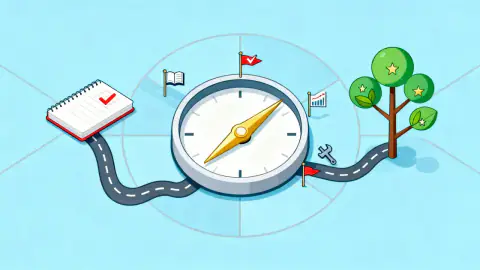
How to Identify Transferable Skills for Career Success

Life is a journey defined by change, adaptation, and bold moves. Whether you are considering a career switch, re-entering the workforce, or simply seeking new and meaningful challenges, the key to unlocking your next opportunity lies in what you already possess: your suite of transferable skills and experiences.
Too often, people undervalue their past, failing to see how the skills honed across various roles weave together a powerful story of potential. What if you could clearly recognize these skills and use them as stepping stones to your future?
Let’s embark together on an honest exploration of how to identify your transferable skills. By the end of this article, you will feel inspired, equipped, and ready to face your next career transition—no matter how unfamiliar it might seem.
Understanding Transferable Skills
Before we dive into the “how,” let’s clarify what transferable skills actually are. These are abilities, traits, and knowledge that are applicable across different jobs and industries. Rather than being tied to a single task or field, they are the building blocks of professional flexibility and resilience.
Transferable skills can move with you from job to job, such as effective communication, problem-solving, teamwork, adaptability, and leadership. They originate from your work history, school, volunteer work, hobbies, and even personal experiences. The power of these skills lies in their universality.
For example, someone with retail experience might not immediately see how their cash register management relates to a job in project management. However, the underlying skills—organization, customer focus, conflict resolution—are not only relevant, but highly valued.
Why Transferable Skills Matter
In a rapidly shifting work landscape, industries and job roles are evolving faster than ever. Job titles come and go, but core skills endure and continue to open doors. Embracing your transferable skills equips you to navigate transitions—be it a promotion, a new field, or an unexpected layoff.
Additionally, employers today actively seek candidates who can demonstrate adaptability, creativity, and critical thinking—the hallmarks of transferable expertise. Proving you can pivot and thrive positions you as a versatile, irreplaceable asset in any organization.
Steps to Identify Your Transferable Skills
Recognizing your own transferable skills is an empowering process. Begin with honest reflection and pair it with practical steps:
- List all of your experiences. Include jobs, volunteer roles, group projects, extracurricular activities, and personal commitments.
- Break down the core tasks and responsibilities for each experience. What were your daily duties? What challenges did you face?
- Identify patterns and achievements. Where did you excel repeatedly? What feedback did you receive?
- Map tasks to broader skills like leadership, negotiation, organization, or analytical thinking.
- Consult with others—mentors, colleagues, friends. Sometimes our strengths are clearer to those who observe us in action.
To help visualize this process, consider the following table illustrating how everyday tasks translate into valuable skills:
| Task or Experience | Transferable Skill |
|---|---|
| Organizing a community fundraiser | Project management, communication, teamwork |
| Training new team members at work | Leadership, mentoring, effective communication |
| Balancing workload during university | Time management, adaptability, prioritization |
| Resolving disputes between customers | Conflict resolution, problem-solving, empathy |
A practical exercise is to write down three proudest accomplishments from your career or personal life. Next to each, jot down what made the achievement possible. Were you coordinating with a team? Did you innovate under pressure? Those actions contain clues to your strongest skills.
Common Categories of Transferable Skills
Every individual’s toolkit is unique, but most transferable skills fall into a handful of broad categories. Recognizing these groups can help you better label your strengths:
- Interpersonal skills (e.g., collaboration, empathy, negotiation)
- Analytical skills (e.g., critical thinking, decision-making, research)
- Organizational skills (e.g., planning, multitasking, attention to detail)
- Communication skills (e.g., writing, presenting, active listening)
- Technical or digital literacy (e.g., data management, using software)
- Leadership skills (e.g., inspiring others, strategic vision, conflict management)
Take a moment to reflect on situations where you demonstrated these kinds of abilities. They form the backbone of success in countless roles.
Bringing Your Skills to Life: Communicating With Confidence
Once identified, the true impact of your transferable skills comes from how you present them. When updating your resume, crafting a cover letter, or sitting in an interview, use specific stories to illustrate your strengths.
Don’t just state that you have project management experience: talk about the time you coordinated a cross-functional team to meet a tight deadline, or the way you led the launch of a successful event. Concrete examples make your skills memorable and believable.
Remember to tailor your message to the requirements of the role. Review job descriptions, pick out the skills emphasized, and match your own stories to these priorities.
Inspiring Success Stories
Consider Rebecca, who spent years as a teacher. When switching to corporate training, she realized her strengths—public speaking, curriculum planning, and motivating others—were universally desired. Similarly, Alex, a former restaurant manager, transitioned into logistics by highlighting his skills in operations, customer service, and crisis management.
These stories show that transferable skills aren’t always obvious at first glance. But with reflection, support, and creativity, they become a powerful springboard to new adventures.
Embracing Your Potential: The Next Steps
Identifying your transferable skills is not just an exercise in self-awareness—it’s a foundation for growth, confidence, and action. The modern world rewards those with the courage to adapt and the wisdom to recognize their own value.
Whether you are embarking on a new path or striving for advancement, trust that your unique journey has equipped you with remarkable, versatile skills. Your story is still unfolding, and these skills are your passport to a fulfilling future.
Take inventory, own your strengths, and step into possibilities you may have never before imagined. The adventure is just beginning.