How to Disconnect from Work After Hours: Steps for Balance and Well-Being
In today’s fast-paced digital world, the line between work and home has never been more blurred. Notifications never stop, emails reach us late into the night, and the pressure to always be “on” can leave us feeling drained and perpetually tethered to our careers.
Yet the power to reclaim our evenings, our mental space, and ultimately our well-being, lies within us. Disconnecting from work after hours is not just a luxury—it’s an essential practice. Let’s explore how you can break free from the constant pull of work and thrive outside of office hours.
The Importance of Boundaries in a Connected World
Setting boundaries is more than just switching off your computer; it’s about prioritizing your mental health and personal life in a world that celebrates busyness.
When you continually respond to emails late at night or answer work calls during dinner, you’re telling yourself and others that your personal time is always negotiable. Over time, this can lead to a sense of resentment, stress, and eventually, burnout.
Healthy boundaries help you protect your emotional space, recharge your energy, and nurture relationships outside of the workplace. By consciously deciding when work ends and your personal life begins, you reaffirm your value beyond your job title.
Step One: Establish Clear End-of-Day Rituals
Ending your workday with intention is a transformative habit. Traditional “clocking out” may seem outdated in flexible work environments, but deliberate end-of-day routines signal to your brain that work is over and personal time has begun.
- Shutdown Ritual: Take five minutes to save your work, write tomorrow’s to-do list, and close your computer or work bag. This helps your mind let go of unresolved work thoughts.
- Physical Separation: If possible, leave your workspace or tidy up your desk. Even in small apartments, rearranging your space to mark a shift from work mode to home mode can be powerful.
- Dress Code Shift: Change out of your work clothes, even if you work remotely. The physical act of changing signals a mental shift from “on the clock” to “off duty.”
These rituals serve as barriers—gentle reminders that your time now belongs to you.
Step Two: Master the Art of the Digital Disconnect
Modern technology is both a blessing and a curse. It enables remote work and ©ollaboration but also makes it difficult to ever truly unplug. To truly disconnect, thoughtfully manage your devices and notifications.
- Turn Off Notifications: Silence work apps after hours to give your mind a rest from work alerts. Use “Do Not Disturb” features or set scheduled quiet periods on your devices.
- Separate Devices: If possible, keep work and personal devices separate or use digital profiles that switch depending on time of day. Keeping your work phone or laptop out of sight will reduce temptation to “just check one thing.”
- Resist the Urge to Respond: Remind yourself that most work emails can wait until morning. Set expectations with colleagues about your response times.
It may feel uncomfortable at first, but protecting your off-hours will quickly become second nature—and your mind will thank you.
Step Three: Fill the Void—Rediscover Yourself Outside of Work
Many people find the hardest part of disconnecting is not the act itself, but the question: “What will I do with this free time?” Too often, our identities become wrapped up in our careers, leaving us uncertain how to spend our evenings.
The antidote? Rediscover old passions and spark new interests that have nothing to do with your job. Pursue a hobby, try a new sport, cook, volunteer, or simply allow for leisure and rest.
Personal fulfillment outside of work is a powerful counterbalance to daily stress. It restores creativity and energy, and it reminds you that your worth lies far beyond your productivity.
| Evening Activity | Benefits |
|---|---|
| Taking a walk in nature | Reduces stress, clears the mind, boosts mood |
| Reading a book | Encourages relaxation, promotes learning, provides escape |
| Cooking a new recipe | Fosters creativity, engages the senses, supports health |
| Connecting with loved ones | Strengthens relationships, offers emotional support |
Experiment with different activities. Over time, you’ll rediscover a deeper sense of purpose and joy that work alone can’t fulfill.
Step Four: Communicate and Enforce Your Boundaries
It’s crucial to let your colleagues and supervisors know about your boundaries. Clear communication ensures everyone is on the same page, leading to mutual respect and healthier work culture.
Set expectations through actions and, when necessary, through words. Add an automatic email signature stating your work hours. Politely decline to answer work-related messages after a set time unless it’s an emergency.
If you’re a leader, model this behavior for your team. Advocate for a workplace where personal boundaries are honored and valued, not just for yourself but for your colleagues as well.
Nurture the Habit: Make Disconnection an Ongoing Commitment
Like any new habit, learning to disconnect from work takes patience and perseverance. You’re not just fighting old routines—you may also be pushing back against workplace norms that reward constant availability.
Remind yourself daily that balance leads to greater productivity and happiness—not only for you but for those around you. When you step away from work, you return rejuvenated and more present, both in your job and your life.
Your well-being is an investment, not an indulgence. Every action you take to disconnect from work after hours ripples out, teaching others it’s possible and essential.
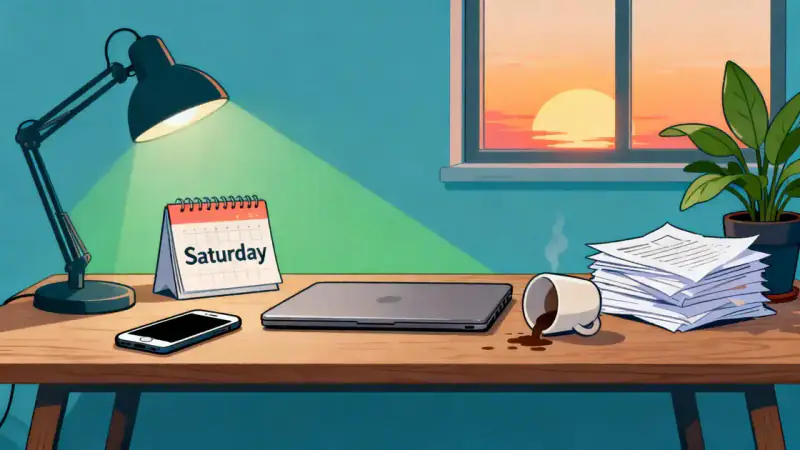
Tonight, as the sun sets and your workday closes, take a deep breath and honor your right to rest. By drawing the line between “work” and “life,” you invite growth, renewal, and inspiration into every facet of your existence. You deserve it.