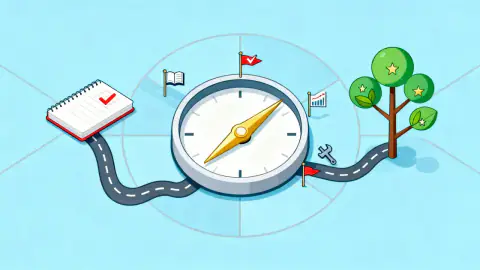
How to Create a Simple Career Development Plan: Step-By-Step Guide
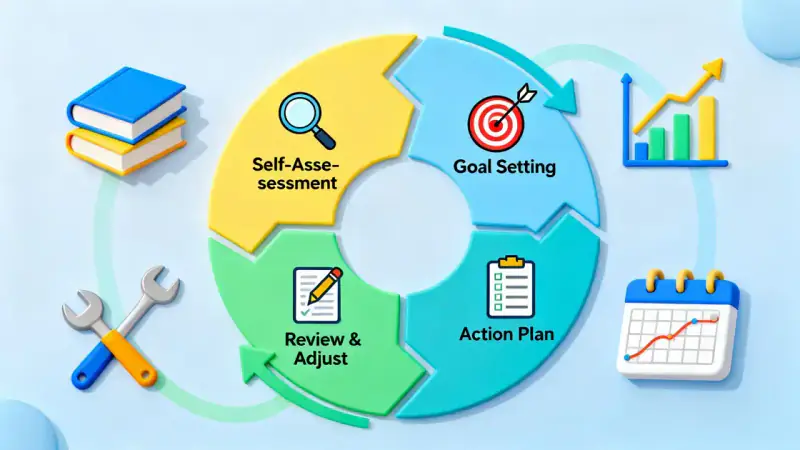
Imagine standing at the edge of a vast landscape under a sunrise, with the horizon brimming with opportunities. This is what embarking on a thoughtful career journey can feel like.
No matter where you are in your professional life, creating a simple career development plan is one of the most powerful steps you can take to unlock your potential, fuel your motivation, and ensure you keep growing in ways that matter most to you.
Far from being an intimidating or complicated process, career development can be empowering and rewarding. By breaking down your ambitions into actionable steps and listening deeply to your own hopes, you can craft a plan that is both inspiring and realistic.
Whether you’re seeking advancement, career change, or more satisfaction in your daily work, building your own map is the first key move toward realizing your professional aspirations and feeling purposeful in your journey.
Why You Need a Career Development Plan
Too often, people let their careers unfold by chance. But imagine the difference if you took charge and designed your own path. Having even a simple plan can:
- Clarify your vision and goals for the future
- Identify key skills you want to develop
- Boost your confidence and motivation
- Create accountability for your progress
- Allow you to recognize and act upon new opportunities
A career development plan becomes a personal roadmap, guiding you toward growth, adaptability, and resilience in a changing world. It shifts you from reacting to opportunities to proactively building the future you desire.
Step 1: Reflect on Where You Are Now
Before plotting your journey forward, take time to assess your present position. Start by asking, “Where am I in my career right now? What am I proud of? What feels lacking or unfulfilling?” Honest reflection is the foundation upon which all meaningful growth is built.
Consider your daily responsibilities, the skills you rely on most, and the aspects of your job that energize or drain you. Take stock of your achievements—a project well done, strong relationships, or challenges you’ve conquered.
Use these elements as the groundwork for identifying your starting point and your core strengths. This self-awareness will allow you to be specific and intentional when setting the next steps.
Step 2: Define Your Long-Term Vision
Imagine your ideal work life a few years from now. What kind of roles attract you? What impact do you hope to make? What work environment brings out your best?
Think as broadly or as specifically as you like. Perhaps you dream of leading a team, mastering a certain skill, or achieving a healthy work-life balance. This vision will act as your North Star, keeping you inspired when challenges arise.
Write down what success looks like to you in both professional and personal terms, as clarity of vision helps to sustain your motivation throughout the journey.
Step 3: Set Short- and Mid-Term Goals
Big dreams become achievable when translated into concrete goals. Break your vision into practical targets you can pursue in the next six months to three years.
- What position would you like to hold next?
- Are there specific skills or certifications to earn?
- Do you want to expand your professional network?
- Could you take on a leadership project or mentor a colleague?
Each small milestone leads to another, and sudden breakthroughs often result from steady, incremental progress. Setting realistic goals also ensures you don’t get overwhelmed.
Step 4: Identify the Gaps and Opportunities
Now, compare where you are to where you want to be. What skills do you need to strengthen or acquire? Are there experiences you lack, or qualities you want to develop further?
Think about seeking feedback—from a manager, mentor, or trusted colleague. Often, others can see talents in us that we overlook or point out blind spots we’re unaware of.
A simple table can help you organize this part of your plan:
| Desired Role/Skill | Current Status | Gap/Opportunity | Next Action |
|---|---|---|---|
| Team Leadership | Occasional team lead on small projects | Need to manage larger or cross-functional groups | Volunteer for bigger team projects |
| Data Analysis Certification | Comfortable with basic analytics | Lack formal certification | Enroll in online course |
| Networking | Limited to current company | Need broader industry connections | Attend industry events |
Step 5: Map Out Action Steps
A goal without a clear action plan can remain a dream. Turn each gap and opportunity into a list of simple, actionable steps. Prioritize them based on impact and feasibility.
Consider which actions you can take immediately and which will require more time or resources. For each, define a target date for completion. Remember, even small actions move you closer to your vision.
- Schedule informational interviews to explore new roles
- Dedicate 30 minutes weekly to skill-building online
- Request feedback after key projects
- Set quarterly check-ins to review progress
Taking ownership of your progress—and celebrating wins, no matter how small, keeps your momentum high and your outlook optimistic.
Step 6: Monitor, Adjust, and Stay Inspired
Career development is a living process—your goals may evolve as you gain more experience and self-knowledge. Regularly review your plan. Celebrate achievements and update your strategies to address new realities.
If you encounter setbacks, remember: every journey has challenges and detours. Use them as opportunities for growth. Reach out for support if needed—from mentors, colleagues, friends, or even career coaches.
Most importantly, stay connected to your inner motivation and keep your vision in clear sight. Your career path is uniquely yours, and every day brings a new chance to step forward.
Your Journey Starts Now
Creating a simple career development plan is about more than reaching goals—it’s about honoring your ambitions, talents, and desire for purpose. With each step, you build resilience, courage, and wisdom to shape your professional future.
Start today. Take a deep breath, reflect, and write down your first goal. Commit to your growth, invest in yourself, and recognize the immense potential you hold. Your journey will be unique—but the power to direct it is entirely yours.
The horizon awaits. Step into your future with clarity, confidence, and curiosity.