Career Self-Assessment for Beginners: Find Your Path with Confidence
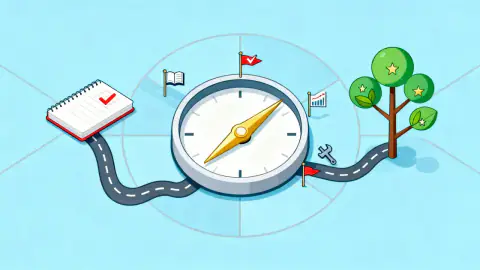
Imagine standing at the very start of your working life, filled with nervous excitement and a sense of endless possibility. The idea of choosing a career path can feel overwhelming, but it’s also an extraordinary opportunity to create a life that truly belongs to you. If you’re just beginning, career self assessment for beginners will give you the map and compass you need to discover your direction with confidence.
Many believe that falling into a job or waiting for inspiration is the only choice they have. But there is a powerful alternative: actively understanding yourself—your strengths, values, hopes, and even your fears—before diving into a career. This isn’t just about finding a job; it’s about crafting a meaningful journey. Let’s explore how you can take charge and start building the life you deserve.
Why Self-Assessment Matters: Building a Strong Foundation
At its core, self-assessment is a process of honest reflection that helps you identify what truly matters to you. When you understand your natural preferences and core strengths, the path becomes clearer and your confidence grows.
This process is especially important for beginners. Early self-assessment can prevent years spent in the wrong roles or chasing careers that don’t align with your deepest interests. Rather than drifting, you can steer your journey from the very start, empowered by self-knowledge and clear intention.
Essential Components of Career Self-Assessment
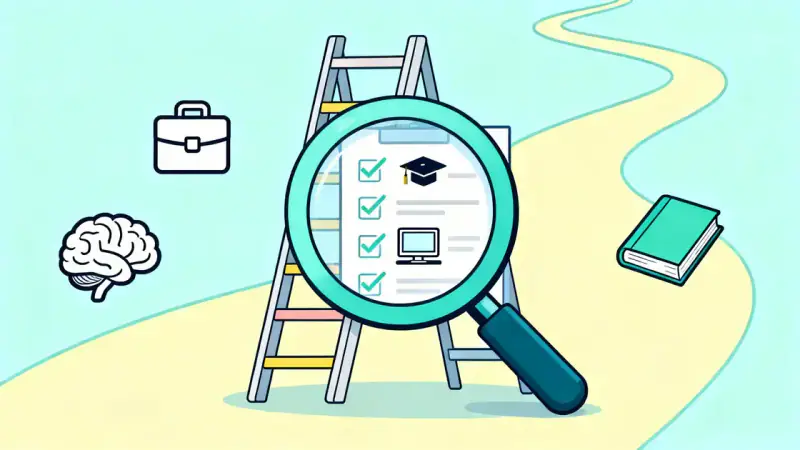
Embarking on self-assessment may feel daunting, but breaking it into steps makes the journey manageable and even exciting. Here are the main components to guide your discovery:
- Identify your values and motivations—what does meaningful work look like for you?
- Recognize your key strengths and skills—both those you have now and those you’d like to develop.
- Understand your interests and passions—what topics or tasks make you feel alive?
- Assess your preferred environments—do you thrive alone or as part of a team, in structure or with flexibility?
Assembling this information builds a rich portrait of who you are. With these insights, you build a foundation for your future choices.
Discovering Your Unique Strengths and Talents
A common challenge for beginners is believing they have no unique skills or strengths to offer. This is simply not true. Everyone holds distinct natural gifts and personality traits that can lead to career success.
Reflect back on your past experiences, even outside of work or school. What have others praised you for? When did you feel pride in an accomplishment? There may be hidden abilities waiting to emerge.
Consider making a table like the one below to help uncover your personal assets:
| Activity or Experience | Skill Demonstrated | How You Felt |
|---|---|---|
| Organizing a group event | Leadership, communication, planning | Excited, responsible, fulfilled |
| Helping a friend study | Tutoring, patience, empathy | Helpful, valued, patient |
| Solving a puzzle or challenge | Problem solving, creativity | Engaged, curious, motivated |
Every time you reflect, you move closer to unlocking your potential and unique contribution.
Practical Steps to Start Your Self-Assessment Journey
So, where should you begin? Here are some grounded steps to help you embark on your self-discovery with clarity:
- Set aside time each week for reflection and journaling.
- Write down moments when you felt energized or satisfied, as well as those that drained you.
- Take a few reputable career assessments or personality tests to spark ideas.
- Ask friends, family, or mentors for honest feedback about your strengths and challenges.
- Pay attention to reoccurring patterns or themes in your interests and skills.
Through simple, regular practice, your self-awareness will deepen and a clearer direction will emerge.
Overcoming Doubts and Roadblocks
It’s natural to encounter moments of uncertainty and self-doubt during self-assessment. You might worry you don’t know enough or fear choosing the wrong path. Remember, this process is an exploration, not an exam. You can revise your understanding as you grow.
If you feel stuck, try these strategies:
- Seek support from career counselors or supportive friends, who can offer new perspectives.
- Volunteer or try internships—first-hand experience can be eye-opening.
- Embrace experimentation as a chance to learn rather than a risk of failure.
Most importantly, allow yourself grace. Career paths are rarely straight lines, and resilience in the face of setbacks is one of the greatest strengths you can develop.
From Insight to Action: Building Your Roadmap
Once you’ve unlocked insights about your values, interests, and strengths, it’s time to translate them into action.
Use your findings to imagine a few possible career directions. Don’t limit yourself—think broadly and creatively! Write down concrete steps you can take to explore each option further.
You might create a roadmap that looks like this:
- Research two or three fields that align with your interests.
- Schedule informational interviews with professionals in those areas.
- Try out volunteer opportunities or short courses to gain hands-on experience.
- Regularly review your progress and update your self-assessment as you learn more.
Remember, your career journey is your own unique adventure—allow it to be dynamic and flexible.
The Transformative Power of Self-Awareness
A thoughtful career self-assessment does more than help you pick a job. It awakens confidence in your decision-making abilities, nurtures a sense of purpose, and equips you to adapt as your life unfolds.
By committing to carefully and honestly understanding yourself from the beginning, you choose a life of intention, growth, and genuine satisfaction.
Your future is not something to fear or stumble into—it’s yours to purposefully create. With self-knowledge as your guide, you’ll be ready to discover a career and a life that’s not just successful, but deeply meaningful.