
Simple Steps to Improve Financial Discipline
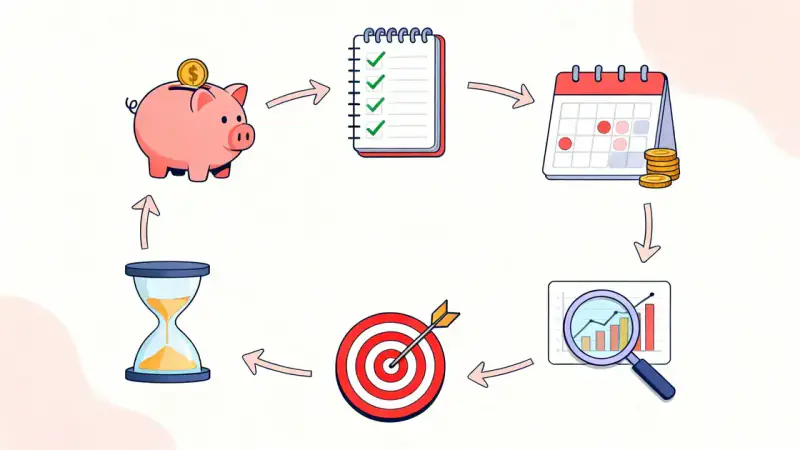
Financial discipline is not just about strict budgeting or denying yourself simple pleasures. It is, at its core, about taking control of your money and, ultimately, your future. Whether you aim for financial freedom, the ability to build lasting wealth, or simply wish to escape the anxiety of living paycheck to paycheck, fostering financial discipline is the foundation that supports every financial dream.
By embracing a series of simple but powerful steps, anyone can turn their finances around. With patience, consistency, and the right mindset, achieving strong financial discipline is within everyone’s reach. No matter where you begin, each small action counts. Here’s how you can start your own journey today.
Define Clear Financial Goals
Every financial journey starts with goals. Unspecific ambitions like “I want to save more” are difficult to achieve because they lack clarity and urgency. To make real progress, define exactly what you want.
Ask yourself: What are your most pressing financial needs? Do you want to be debt-free in three years, save for a home, build an emergency fund, or retire early?
Break down your goals into short-term, medium-term, and long-term milestones. For example:
- Short-term: Save $1,000 for emergencies in 3 months
- Medium-term: Pay off all credit card debt within 2 years
- Long-term: Accumulate enough to retire by age 60
Write down your goals and keep them visible. This simple act gives your discipline a clear purpose and motivates you to stay the course when challenges arise.
Create a Practical and Honest Budget
A budget is your roadmap for financial discipline. Not only does it show you exactly where your money goes, but it also gives you agency to make smart choices.
Start by gathering all sources of income and listing your monthly expenses. Don’t overlook small or irregular costs—these can add up fast. Once you see the full picture, categorize your expenses:
- Essential spending: Rent, groceries, utilities, transportation
- Discretionary spending: Dining out, entertainment, shopping
- Savings and debt payments: Contributions to savings or investments, loan repayments
Be realistic about what you need versus what you want. It’s crucial to balance comfort and discipline, so you’re not setting yourself up for failure. Small, sustainable changes have more impact than drastic, short-lived cutbacks. As you adjust, challenge yourself to slowly boost your savings rate or reduce unnecessary expenses.
Track Your Spending Consistently
One of the most underestimated habits behind lifelong financial discipline and growth is tracking every dollar. Awareness is powerful—when you know how you actually use your money, you automatically become more intentional.
Use simple tools like a notebook, a spreadsheet, or budgeting apps. At the end of each week, review where your money went. Often, just seeing the numbers will help you catch patterns and curb impulse spending.
Accountability is crucial. If you have a partner or family, try to involve them. Sharing your progress boosts motivation, and working as a team can turn what feels like a solitary task into a source of connection and growth.
Automate Savings and Finances
Set your finances up so that saving happens effortlessly. Automation is a key weapon in the fight against temptation and inconsistency.
Consider the following actionable steps:
- Set up automatic transfers from your checking to your savings on payday, so you “pay yourself first.”
- Use automated bill payments to avoid late fees or missed due dates.
- Enroll in employer-sponsored retirement plans or start regular automatic deposits to investment accounts.
By making these processes automatic, you remove the chance of forgetting or talking yourself out of saving. The result is a steady accumulation of financial reserves and less stress over time.
Regularly Review and Adjust Your Plan
Financial discipline is not about perfection, but about progress—day by day, month by month. Life changes, and so will your income, expenses, and priorities.
Set a regular time—such as the last Sunday of each month—to review your budget, spending, and savings.
Ask yourself:
- Did I stick to my spending plan this month?
- What unexpected expenses cropped up?
- Can I reduce any categories further?
- Is it time to increase my savings or investments?
If you slipped up, that’s okay. Treat every misstep not as a failure, but as a valuable lesson. Adjust your habits, update your goals, and keep moving forward.
The Mindset of Financial Discipline
True financial discipline is less about deprivation and more about choosing what matters most for your future. Each moment of restraint is an act of self-respect and self-care.
Celebrate every victory—even the small ones. When you resist an impulse purchase, stick to your budget, or see your savings balance grow, acknowledge your achievement. Over time, these small wins turn into great progress and sustained confidence.
Consider using a simple habit tracker or reward system for added encouragement. For example, allow yourself a small treat or experience after consistently reaching your saving target for three months.
Transform Challenges into Opportunities
No journey is entirely smooth. There will be setbacks, temptations, or emergencies that strain your resolve. When those moments arrive, remind yourself of your bigger “why”—the powerful reasons behind your discipline.
Seek support when needed, whether from trusted friends, family, or by learning from books, podcasts, or community groups. Surround yourself with positive influences that reinforce your commitment to long-term financial well-being.
Final Thoughts: A Legacy of Security and Growth
Your commitment to improving your financial discipline does much more than increase your bank balance. It builds resilience, confidence, and freedom. You will not only experience less financial anxiety, but also create opportunities—for travel, family, education, and even generosity to others.
Every effort you make is an investment in your best self. Start where you are, use these simple steps, and keep moving forward. Your journey will inspire others, and the discipline you build today will pay dividends tomorrow—for you and those you love.
Embrace your financial discipline as a daily practice, not a burden, and watch your life transform one thoughtful decision at a time.