
5 Effective Steps to Organize Your Financial Documents and Transform Your Finances
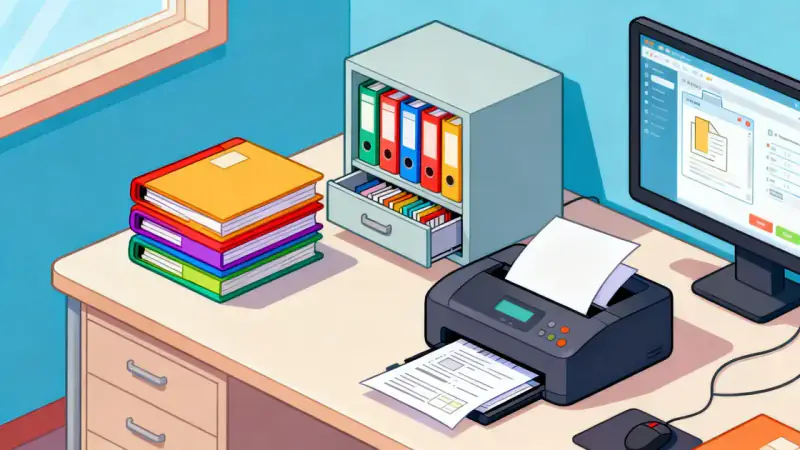
Imagine the relief of opening a drawer or digital folder and instantly finding any financial document you need—tax forms, receipts, investment records—all in their place, easily accessible, and secure.
Most people associate financial paperwork with stress, clutter, or confusion, but it doesn’t have to be that way. By creating a strong organizational system, you pave the way for greater peace of mind, improved financial security, and confidence in your daily life.
This article will empower you with techniques and strategies on how to organize financial documents, helping you move from chaos to clarity—and inspiring you to take charge.
The Importance of Organizing Financial Documents
Disorganized financial records can lead to missed deadlines, unnecessary stress, and lost opportunities. It’s easy to underestimate just how much mental room clutter takes up until you can finally let it go.
Think of every vital financial decision you make—from tax filing to managing insurance claims and planning for retirement. All of these rely on having your paperwork or digital documents in order.
Taking the time to organize your financial documents is about more than being tidy. It’s a key step toward gaining financial empowerment and security.
Whether you’re an individual, a family, or a small business owner, the benefits are wide-reaching: faster information retrieval, reduced risks of lost paperwork, improved ability to plan, and the serenity of knowing you are prepared for anything that comes your way.
Step 1: Gather Every Document You Have
Before true organization can begin, you must take stock of what you own. Start by collecting all financial documents from every source—paper piles, email downloads, cloud storage, and even corners of your home you might not expect. Don’t skip this step: sometimes important papers hide in unexpected places!
Make a designated workspace. Spread documents out and keep a notepad nearby. List each document and take note of duplicates. This process alone can be revealing; many people discover lost paperwork or unnecessary copies as they sort through everything for the first time.
Step 2: Sort and Categorize Thoughtfully
Once you have all your documents together, it’s time to give them order. Sorting documents into categories not only helps now, but will save you countless hours in the future.
- Income records: Pay stubs, W-2 or 1099 forms, and business earnings.
- Tax documents: Last year’s returns, receipts, deduction evidence, and IRS correspondence.
- Bank statements and bills: Utility bills, loan statements, credit card records, mortgage documents.
- Insurance policies: Health, life, property, and auto insurance.
- Investment and retirement: 401(k) statements, IRA records, brokerage account documents.
- Major purchases: Receipts, warranties, and contracts for items like vehicles or appliances.
- Legal documents: Wills, trusts, powers of attorney, marriage and birth certificates.
If you encounter documents that don’t fit cleanly in these groups, create “miscellaneous” or “to be decided” piles, but be sure to review and assign these later.
Step 3: Choose the Best Storage Solution
The next decision is one that will impact how easy it is to access your documents in the future. Should you go physical, digital, or a blend of both? Each method offers its own set of benefits and challenges.
Physical file systems allow for tangible security and a straightforward approach. File cabinets, fireproof safes, and labeled folders work well for those who like to touch and see their documents. However, these require more space and carry risk from physical threats—fire, floods, or theft.
Digital filing, on the other hand, emphasizes backup, remote access, and efficiency. Scanning documents lets you store them on cloud platforms or local hard drives. With digital, indexing and searching becomes simpler, and documents can be easily shared when needed. Prioritize security with encrypted storage and strong passwords.
| Physical Storage | Digital Storage |
|---|---|
| Immediate access, tangible security | Efficient, searchable, easy sharing |
| Space required, risk of physical loss | Requires scanning and file management |
| Fireproof safe, locked cabinet options | Cloud backups, password protection |
Many find that a hybrid approach—keeping essentials like titles and wills in physical form while scanning the rest—offers the best of both worlds.
Step 4: Create and Label a Filing System
With your categories and storage method in place, design a system that ensures you can always find what you need. Use clear, logical labels. For physical files, assign one folder or divider per major category and sub-category. For digital, develop a consistent folder structure with names like “2024_Taxes” or “Health_Insurance.”
Color-coding, alphabetical order, and date tagging can make your system more intuitive and user-friendly. If you’re working digitally, don’t forget about backup: set up automatic cloud backups or routinely save copies to encrypted drives.
- Label everything the moment you file it
- Use checklists or spreadsheets to track document locations
- Set reminders for regular audits and updates
Step 5: Maintain and Regularly Review Your System
Organizing your financial documents isn’t a one-time task—it’s a habit. Schedule periodic reviews, perhaps every quarter or after tax season. Remove unnecessary items, securely shred outdated documents, and refresh your digital folders. This will help keep your financial information relevant and accurate and ensure you’re prepared for audits or emergencies.
As life changes—new jobs, homes, or family members—your filing system will need updates. Make document organization a regular part of your financial routine, and soon it will become second nature.
Reap the Emotional and Practical Rewards
The real benefit extends far beyond tidy drawers or well-organized folders. When you know exactly where your financial documents are, you gain a new sense of security, peace of mind, and empowerment in decision-making. You become less anxious about surprise paperwork or last-minute deadlines.
With organization comes opportunity. Ready information means making better choices on investments, taxes, or big purchases. And in emergencies—whether for insurance claims or rapid paperwork needs—you’ll feel grounded, capable, and ready for whatever comes.
Taking the first step is often the hardest. But just one focused afternoon can set you on the path toward lifelong financial clarity. Let each sorted file and labeled folder remind you: you are in control. You are capable. Your future is organized, secure, and ready for your dreams to grow.