
How to Improve Writing Skills Gradually: Practical Strategies for Lasting Growth
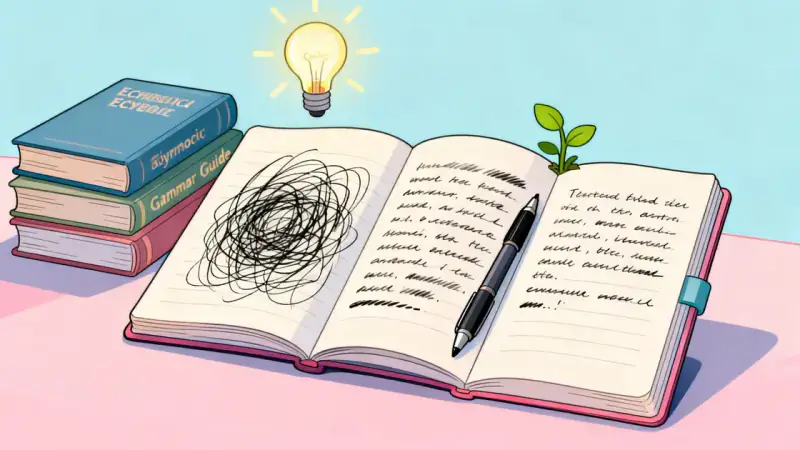
Writing isn’t just a mechanical skill—it is a profound expression of thought, emotion, and imagination. Many people dream of crafting elegant prose, persuasive arguments, or captivating stories, but find themselves wondering how to turn desire into genuine ability. The answer lies in persistence, patience, and the understanding that real growth in writing happens gradually.
Whether you are a student, professional, or an aspiring novelist, the journey to better writing skills unfolds through deliberate, consistent steps. Let’s explore how you can nurture and elevate your writing, not in the rush of a day, but throughout seasons of steady progress.
Start Small and Stay Consistent
There is an enduring misconception that tremendous leaps are required to become a skilled writer. In truth, small, regular efforts accumulate powerful results. Writing is like building a muscle—improvement comes through repetition and discipline, not by suddenly tackling monumental tasks.
Begin by setting aside time every day, even if it’s just ten minutes. Use this window to jot down thoughts, describe observations, or respond to short prompts. The goal is not perfection, but developing comfort with words. Over days and weeks, you’ll notice a gentle transformation in your fluency and confidence.
- Keep a daily journal—even short entries make a difference.
- Set simple, achievable writing goals to track your progress.
- Try morning writing or brain dumps to overcome the initial inertia that often stalls creativity.
Read Broadly and Think Critically
Great writers are voracious readers. The act of reading exposes you to different styles, voices, structures, and vocabularies. Absorbing diverse writing patterns subconsciously enriches your own ability to express and organize ideas.
Don’t be afraid to step outside your favorite genres. Sample poetry, essays, memoirs, and journalistic pieces. As you read, ask yourself: What makes this passage effective or evocative? How does the author structure their argument or narrative? By internalizing these lessons, you’ll start noticing subtle techniques that elevate writing.
- Annotate standout sentences or paragraphs that move you.
- Discuss what you read with friends or writing groups to enhance understanding.
- Experiment with mimicking the structure of writers you admire.
Embrace Revision as a Tool for Growth
The first draft is rarely perfect. In fact, revising and rewriting are where the real artistry of writing emerges. Don’t view early drafts as failures—see them instead as the raw material from which clarity and depth will blossom.
When revising, step back from your work. Give it time to rest before reviewing. Read your writing aloud to spot awkward phrasing, repetitive ideas, or unclear arguments. Focus on refining one aspect at a time, such as structure, word choice, or tone, so that the improvement is manageable.
Seek feedback from others, whether friends, mentors, or professional editors. Use their insights as stepping stones to sharpen your unique voice rather than as critiques that diminish your confidence.
Write with Purpose and Curiosity
Improvement shines brightest when you write about what fascinates you. Curiosity fuels creativity and engagement. Are you intrigued by travel, science, relationships, or history? Channel that interest into essays, stories, or blog posts. Tackling subjects you care about makes the writing process exciting rather than daunting.
Moreover, experiment with writing different types of content: persuasive essays, vivid descriptions, technical explainers, or humorous anecdotes. Every form challenges you to adapt style and structure, creating flexibility and depth as a writer.
Build a Supportive Writing Environment
Growth doesn’t always happen in solitude. Writers flourish when surrounded by encouragement and shared aspiration. Join writing workshops, online forums, or local groups where you can exchange ideas, swap drafts, and glean wisdom from collective experience.
Set up a designated space for writing, however modest—a quiet corner, a cozy desk, or even a digital folder dedicated to your pieces. Physical and mental rituals reinforce the habit, signaling to your brain that it’s time for creative work.
- Participate in writing challenges for motivation and inspiration.
- Share your work—even rough drafts—with supportive peers.
Track Progress and Celebrate Milestones
Improvement is most motivating when you can see and measure your advances. Maintain a writing log where you note how many words you write, new genres you attempt, or feedback you receive. Review past work regularly—you’ll be amazed how incremental effort transforms ability.
| Month | Writing Sessions | New Techniques Tried | Feedback Received |
|---|---|---|---|
| January | 18 | Dialogue Crafting | Peer Review |
| February | 22 | Descriptive Scenes | Mentor Feedback |
| March | 19 | Persuasive Essays | Writing Group Comments |
When you reach meaningful goals—finishing a short story, publishing an article, or mastering a tricky technique—take time to celebrate. Each step forward is proof of your commitment and progress.
Transform Your Potential Into Authentic Expression
Learning how to improve writing skills gradually is not just a technical endeavor, but a personal evolution. Every day you dedicate to writing, listening, reading, and revising brings you closer to expressing your authentic voice on the page.
There are no shortcuts, but there is immense reward. Start where you are, embrace the process, and trust that gradual improvement will lead to powerful, transformative results—both in your words and in your self-understanding. Your story, your ideas, and your growth are worth every step of the journey.