
How to Create a Long Term Money Plan for Financial Security
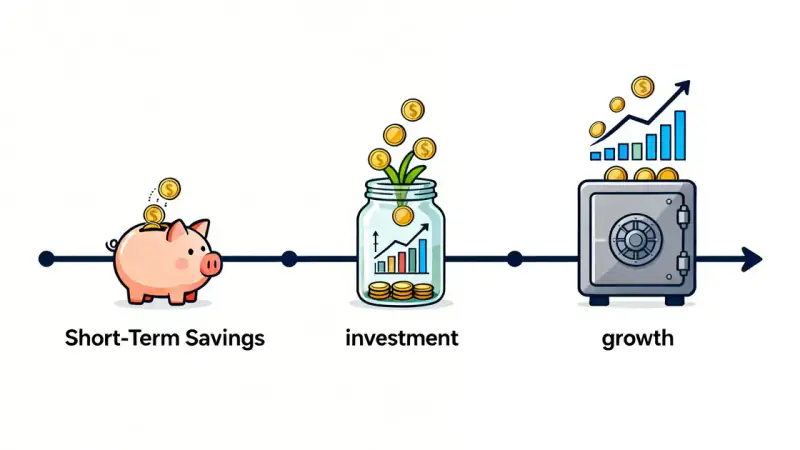
Imagine a life where you wake up each morning free from the heavy weight of financial worry, empowered to make decisions based on your deepest aspirations and not your bank account balance.
This is the power of a long-term money plan—a carefully chosen roadmap guiding you to not only survive, but to flourish. If you’ve ever felt uncertain about your financial future or wondered how you might achieve long-lasting security and peace of mind, you are not alone.
Learning how to create a long-term money plan is a journey at the intersection of your dreams, discipline, and daily actions. In today’s world, the temptation to focus on immediate wants can make building lasting wealth seem out of reach. But through purposeful planning, anyone can lay the foundation for a future filled with stability, opportunity, and joy.
Why Start a Long-Term Money Plan?
The process of building a long-term money plan starts with recognizing its profound impact. True financial well-being means more than just paying your bills—it means having control over your financial choices and being able to weather storms with resilience.
A powerful money plan provides:
- Confidence in any economic climate, since you know where your money is going.
- The ability to invest in your passions, whether that’s family, travel, or causes you believe in.
- Security against unexpected emergencies or life changes.
By taking action now, you give your future self the gift of freedom—because true wealth is the ability to spend your time meaningfully.
1. Clarify Your Vision and Goals
All impactful plans start with a clear and compelling vision. Before diving into the numbers, pause, and ask yourself: What does success look like in my life? Your vision will serve as your North Star, pointing the way even in moments of doubt.
Next, translate those dreams into tangible financial goals. Make them specific, measurable, and time-bound. For example:
- Save $200,000 for retirement over the next 20 years.
- Pay off all student loans within 5 years.
- Build an emergency fund covering 6 months of expenses in 3 years.
Write your goals down. Display them somewhere visible. This daily reminder fuels the resilience required for the journey ahead.
2. Assess Where You Stand Today
It’s tempting to avoid the reality of your current financial situation, but facing it head-on is the bravest and most vital step. Start by recording your income, debts, savings, and monthly expenses. This snapshot will lay bare your opportunities and obstacles.
If you aren’t sure where your money goes, track your spending for a month using a notebook, app, or spreadsheet. You may be surprised to discover how much unnoticed spending adds up over time.
Once you know where you stand, you can chart a precise course toward your destination.
3. Create a Sustainable, Personalized Budget
Budgets are not about deprivation—they are about empowering yourself to choose what matters most. The best budget is one you can stick to for years to come, adjusting as your life evolves.
Start by categorizing your expenses: housing, food, utilities, debt repayments, entertainment, and savings. The following simple structure can guide your planning:
| Category | Suggested % of Income |
|---|---|
| Essentials (Housing, Utilities, Food) | 50% |
| Savings & Investments | 20% |
| Wants (Entertainment, Dining Out) | 15% |
| Debt Payments | 15% |
Adjust these percentages based on your personal needs and goals. Consistently reviewing your budget allows you to spot leaks and direct money towards your future, not just your present.
4. Cultivate the Habit of Investing for Growth
Saving is crucial, but investing is what accelerates your wealth-building journey. Once you have an emergency fund and manageable debt, start learning about investment options such as index funds, IRAs, or employer-sponsored retirement plans.
It can be intimidating at first, but remember: you don’t need to be an expert to begin. Start small, automate contributions if possible, and increase your investments as your income grows. The power of compounding means that even modest investments, started early, can blossom into life-changing sums over time.
Don’t forget to diversify! Spreading your investments reduces risk and creates a buffer against market downturns.
5. Review, Reset, and Stay Inspired
Financial planning is not a one-and-done activity. Life will throw curveballs: career shifts, health events, family needs, or global changes. That’s why reviewing your plan at least every year is critical. Ask yourself:
- Are my goals still aligned with my dreams and priorities?
- Am I on track with my savings and investment targets?
- What adjustments or new habits do I need?
Celebrate your progress, however small, and seek encouragement from others on the same journey. Share your dreams with trusted friends or mentors who can support you when the path gets tough. Every small step forward is a victory.
The Emotional Power of a Money Plan
Money is more than numbers; it’s a deeply emotional force shaping our sense of security and possibility. Building a long-term plan isn’t just about future comfort—it’s about honoring your values and dreams today. Each dollar you save, each choice you make is an act of hope for the future. Let that inspire you.
Remember, the journey to financial success is not a sprint, but a marathon. Some years, you’ll make great leaps forward. Other times, you may stumble. But by returning, again and again, to your vision and goals, you’ll foster a resilience and confidence that no circumstance can shake.
Today is the best day to begin. The actions you take in this moment are seeds that will grow into a thriving, abundant future for you and your loved ones. Start your long-term money plan now, and watch your possibilities unfold.