How to Balance Saving and Spending Wisely for Financial Stability
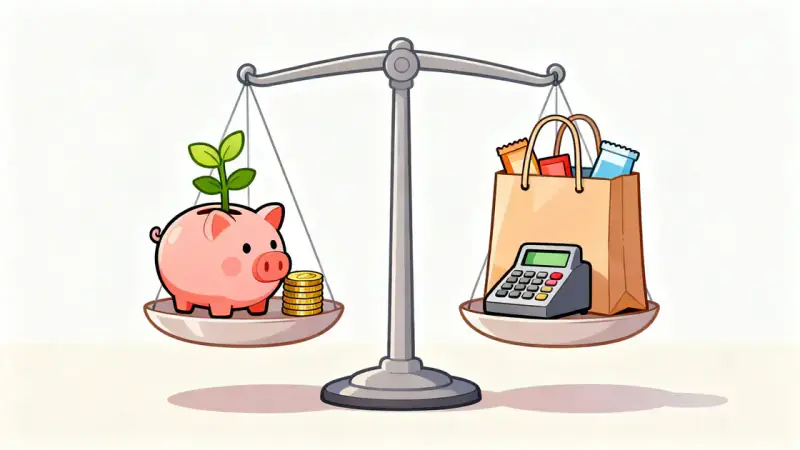
In today’s world, money weaves quietly but powerfully through every chapter of our lives. While we dream of financial freedom and joyful experiences, many of us struggle to strike that elusive balance—should we tuck our hard-earned money away for the future, or should we allow ourselves room to indulge and live in the present? Finding this equilibrium is not only possible, but it is a pathway to less stress, more security, and a richer, more fulfilling life.
Learning how to balance saving and spending wisely is an ongoing journey, one that requires awareness, intention, and a healthy dose of self-kindness. This article offers both inspiration and actionable strategies to help you achieve harmony in your financial life, so you can thrive now and later.
Understanding the Price and Purpose of Money
Before diving into practical advice, it’s crucial to redefine your relationship with money. Too often, saving feels like self-denial and spending like recklessness, but this mindset can lead to emotional whiplash. Instead, view each dollar as a tool—a resource that can both protect your future and allow you to savor the present.
Ask yourself: why do I want to save, and what do I want to spend on? Perhaps you dream of security for your family, travel, or a dream home. Maybe you long for the peace of mind that an emergency fund brings. Identifying core motivations helps transform saving from a chore into an act of self-care, while conscious spending becomes an expression of your values.
Know Your Numbers: Creating a Realistic Budget
No journey can begin without a map. A well-crafted budget acts as your compass, guiding decisions and providing clarity. But to succeed, your budget must embody balance—not rigidity.
Start by analyzing your monthly income and fixed expenses. From there, allocate funds for essentials (housing, utilities, food) and determine what you can safely put aside for savings. The remaining portion is your spending allowance—guilt-free money for leisure, hobbies, or dining out.
- List all sources of income
- Track every expense—no matter how small
- Set aside a percentage (commonly 10-20%) for savings
- Define enjoyable but non-essential spending categories
Adjust your budget as your circumstances change. Life is fluid, and a compassionate approach to budgeting makes it sustainable.
Pay Yourself First: The Saving Habit
One of the most powerful habits is to treat saving like a non-negotiable monthly bill. Rather than saving only what’s left at the end of the month, prioritize your goals as soon as you get paid.
Set up automatic transfers into savings or investment accounts to build momentum without constant effort or temptation. Even small, regular contributions compound into substantial results, turning you into your own ally on the voyage to security.
It also helps to set clear, inspiring savings goals. Are you working towards a safety net, new car, dream vacation, or retirement? Name your goals and watch your motivation soar.
Mindful Spending: Savor What You Value Most
Wise spending is not about constant denial or restriction. Instead, it’s the art of aligning purchases with your deepest priorities. Before you buy, pause and evaluate: Will this genuinely enhance my life, or is it a fleeting impulse?
Practicing mindfulness can turn spending into an act of happiness, not regret. Some helpful habits include:
- Make “cooling off” periods for larger purchases
- Invest in experiences, not just things
- Reflect before using credit for wants, not needs
- Look for quality and long-term value
Remember, money set aside for enjoyment is just as important as money set aside for emergencies. The key is intentionality.
Reward and Recalibrate: Enjoying Progress Without Overshooting
Your financial journey is not a sprint, nor is it a life sentence. Just as you would celebrate progress in a fitness journey, it’s important to acknowledge your wins along the way. Set milestones—perhaps every three months or when you reach a specific savings target—and reward yourself in a meaningful (but affordable) way.
This might mean a meal at your favorite restaurant, a new book, or a weekend getaway. Savor these moments as evidence of your discipline and growth.
Periodically review your plan, too. Are you finding fulfillment or feeling deprived? Adjust as needed—a budget is a compass, not a cage.
Sample Monthly Budget Plan
To visualize balance, here’s a simple example:
| Category | Suggested % of Income | Purpose |
|---|---|---|
| Essentials | 50-60% | Rent, bills, groceries |
| Savings | 15-20% | Emergency fund, retirement, big goals |
| Personal Enjoyment | 10-15% | Dining, hobbies, treats |
| Investments/Wealth Building | 10-15% | Stocks, real estate, education |
Everyone’s percentages will differ based on income, location, and individual dreams, but the underlying principle remains—create room for both tomorrow’s security and today’s joy.
Building a Life Where Money Brings Peace
Balancing saving with spending isn’t about choosing strict discipline over pleasure, or vice versa. Rather, it’s about building a life where money fuels happiness and resilience. By adopting a flexible, intentional approach, you’ll realize that being in control is liberating, not limiting.
Embrace your journey, celebrate every milestone, and remember: the wisest financial decisions are those that allow you to sleep well at night and smile during the day.
With each mindful step, you’re investing in a life that is both abundant and secure—one where your money serves your dreams, not your fears.