
Beginner Guide to Lifelong Learning: Unlock Your Potential
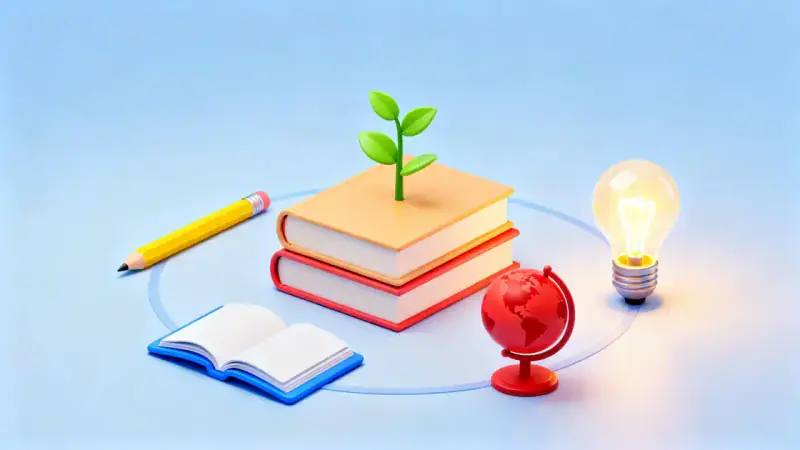
As the world changes rapidly around us, embracing the spirit of lifelong learning can be your most valuable superpower. Learning is not a destination—it is a journey that truly never ends.
Whether you’re a fresh graduate, switching careers, a retiree seeking new experiences, or simply someone who craves a richer life, embracing continuous learning unlocks a world of both opportunities and personal enrichment.
This beginner’s guide will explore what lifelong learning really is, why it matters today more than ever, and how you can start your own journey—no matter your age or background. Let us light the spark within and inspire you with practical steps, real-world strategies, and stories to awaken your curiosity and unstoppable growth.
Understanding Lifelong Learning
Lifelong learning is an ongoing, voluntary, and self-motivated pursuit. Unlike the structured learning of school or university, it happens everywhere—at work, home, and in everyday situations. This mindset embraces curiosity, adaptability, and resilience.
It’s more than picking up facts. Lifelong learners are those who cultivate skills, adapt to change, and build fulfillment through constantly developing themselves. It’s about seeing every challenge and unknown as an opportunity to grow.
Why Lifelong Learning is Essential Today
The world is evolving at a pace faster than ever before. Technology, industries, and even basic life skills are changing in ways that demand flexibility. Being comfortable with continual change and new knowledge is now a critical asset.
Lifelong learning empowers you to:
- Stay relevant, competitive and confident in your career
- Improve brain health, agility, and problem-solving skills
- Deepen your sense of meaning and satisfaction
- Build resilience and adaptability to life’s changes
- Create richer relationships and communities
More than just professional advantages, lifelong learning instills hope, possibility, and motivation to keep moving forward at every stage of life.
Steps to Begin Your Lifelong Learning Journey
Taking your first steps may seem daunting, but it’s easier than you think. Start by embracing a beginner’s mindset and believing you are never “too old” or “too late” to grow!
- Identify your interests and motivations. What have you always wanted to know more about? What skills could help you in your career, relationships, or hobbies?
- Set clear but flexible learning goals. Goals provide direction, but your learning path can change as interests evolve.
- Select your learning methods and resources. These might include books, online courses, videos, workshops, podcasts, or learning from friends and mentors.
- Dedicate regular time. Even ten minutes a day matters. Create a learning habit by tying it to part of your routine: during commutes, before bedtime, or over morning coffee.
- Track progress and celebrate small wins. Acknowledge each milestone, no matter how small, to fuel motivation and confidence.
Remember, it’s not about speed or perfection. Lifelong learning flourishes with consistency and genuine curiosity.
Building the Lifelong Learner’s Mindset
The right mindset transforms obstacles into stepping stones. The most powerful lifelong learners share attitudes that empower them, including:
- Growth over perfection: Mistakes are learning opportunities, not failures.
- Curiosity in everyday life: Questions drive discovery and engagement.
- Patience with progress and setbacks: Real growth is a marathon, not a sprint.
- Embracing challenge: Discomfort signals growth and new possibilities.
You can nurture these traits over time, even if they don’t come naturally at first. With practice, a mindset of endless potential and self-compassion becomes second nature.
Practical Strategies to Make Learning a Daily Habit
Integrating learning into your daily life is crucial. Here are ways to keep progress enjoyable and sustainable:
- Mix different formats and topics to prevent boredom—pair challenging topics with lighter, enjoyable ones.
- Join groups or communities that support your interests, whether online or in-person. Shared learning is more motivating and rewarding.
- Apply learning immediately. Try teaching what you’ve learned to someone else—it deepens your understanding and confidence.
- Reflect regularly on progress and impact. Journaling or self-reflection helps link learning with personal growth.
Small, regular steps can lead to big, transformative change over a lifetime. The key is to keep moving forward, no matter how gradual the pace.
Overcoming Common Obstacles
Every new journey has hurdles, but recognizing them early can help you prepare:
| Obstacle | How to Overcome |
|---|---|
| Lack of time | Break learning into micro-sessions; integrate it into daily routines |
| Fear of failure | Redefine failure as learning feedback; practice self-compassion |
| Overwhelm | Focus on just one goal or topic at a time; forgive lapses and begin again |
Remember, everyone faces setbacks. The willingness to persist and start anew is proof you are truly learning.
Stories of Inspiration: Real Lifelong Learners
Consider Nora, who after retiring at 65, learned digital photography and now teaches others her art. Or Ben, who switched careers at 50, discovering coding through nightly online courses. Their successes were built on consistent effort, curiosity, and refusal to believe in limits.
These stories remind us: it’s not age, position, or background that defines a learner. It’s attitude, and the courage to take the next step forward.
Your Journey Begins Now
No matter where you are in life, the doors of discovery remain wide open. Starting your lifelong learning adventure today can bring more purpose, connection, and joy than you may have ever imagined.
Commit to curiosity, find your unique pace, and celebrate every insight along the way. Your growth is infinite—and your future, unwritten. The world is yours to explore, one step at a time.
Let the adventure begin. What will you learn first?